What Is a Dental Bridge?
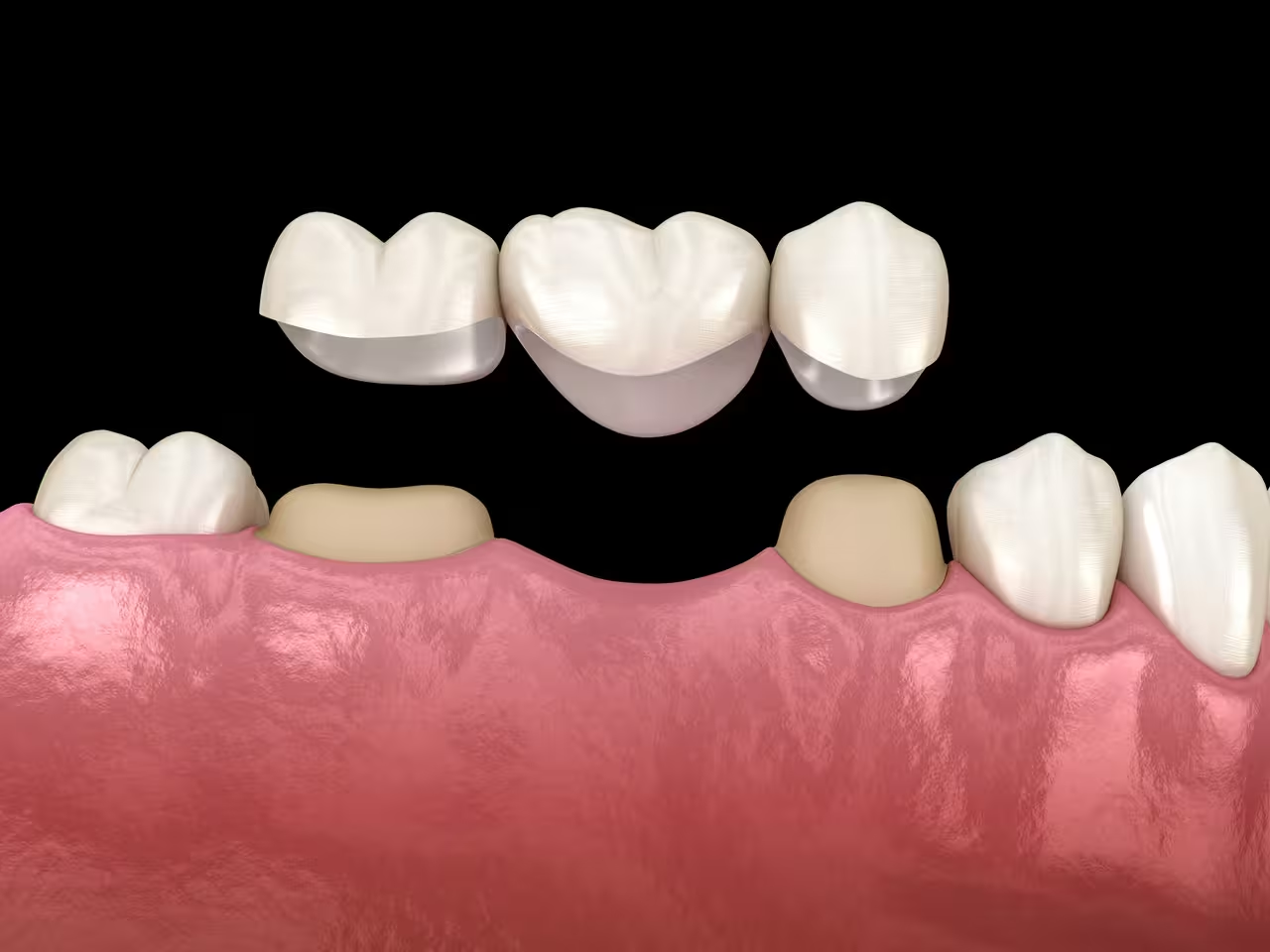
A dental bridge is a restoration that “bridges the gap” where one or more teeth are missing. It typically consists of:
- One or more prosthetic teeth (called pontics)
- Two crowns placed on the natural teeth or dental crowns on either side of the gap
- A fixed, durable structure that stays in place and restores function
Bridges can also be supported by dental implants in some cases. At Mizner Family Dental, we restore implant-supported bridges (though we do not surgically place implants in-house).
Benefits of a Dental Bridge
Replacing missing teeth isn't just cosmetic — it’s essential for maintaining a healthy bite and preserving jaw alignment. A well-placed dental bridge can:
- Restore proper chewing and speaking ability
- Prevent neighboring teeth from shifting
- Preserve facial structure and jawbone health
- Distribute bite forces evenly
- Improve the appearance of your smile
- Support long-term oral health
If left untreated, missing teeth can cause surrounding teeth to drift, which may lead to bite issues and increased wear on your remaining teeth.
Types of Dental Bridges We Offer
Depending on your needs, Dr. Brandon Mizner may recommend one of the following bridge types:
Traditional Bridge
Anchored by natural teeth or crowns on either side of the missing tooth. This is the most common type and works well when healthy teeth are present next to the gap.
Cantilever Bridge
Used when only one adjacent tooth is available for support. Less common, but appropriate in certain areas of the mouth where chewing forces are lower.
Implant-Supported Bridge
Ideal when multiple teeth are missing in a row. This type uses dental implants to anchor the bridge for maximum stability and function. (Note: We restore but do not place implants.)
We'll discuss your options during your consultation and help you choose the best fit based on your oral health, budget, and goals.
What to Expect: Dental Bridge Procedure
Getting a dental bridge typically involves a few key steps:
- Comprehensive Evaluation
We begin with a full exam, digital imaging, and a discussion of your treatment goals. Dr. Mizner will determine the best type of bridge for your specific situation. - Tooth Preparation
If you're receiving a traditional bridge, we’ll carefully shape the teeth adjacent to the gap to support the crowns. - Digital Impressions
We use modern digital technology to capture accurate impressions — no goopy molds required. These are used to fabricate your custom-fit bridge.
- Temporary Bridge Placement
A temporary bridge may be placed while your final restoration is being crafted. - Final Bridge Placement
Once your bridge is ready, we’ll ensure it fits comfortably and matches your bite before securely bonding it in place.
With proper care, a dental bridge can last 10–15 years or longer.
Are You a Good Candidate for a Bridge?
You may be a candidate for a dental bridge if:
- You are missing one or more teeth
- You have healthy surrounding teeth or restored implants
- You are not a candidate for a partial denture or prefer a fixed option
- You want a faster solution compared to implants
- You maintain good oral hygiene
If you’re unsure whether a bridge, implant-supported denture, or partial denture is the best choice, our team will walk you through all of your restorative options.
Caring for Your Dental Bridge
To keep your bridge in great shape:
- Brush twice a day and floss around the bridge and anchor teeth
- Use floss threaders or water flossers for hard-to-reach areas
- Visit us for regular cleanings and exams
- Avoid chewing ice or hard objects that can damage the bridge
- Wear a nightguard if you grind or clench your teeth
Proper care is key to extending the life of your restoration.
Serving Elkhorn and Neighboring Communities
Mizner Family Dental is located at 2949 N 204th St, Suite 104 & 105 in Elkhorn, NE, and proudly welcomes patients from:
- Omaha
- Papillion
- La Vista
- Bellevue
- Bennington and nearby neighborhoods
We offer comprehensive restorative dentistry, including crowns, bridges, dentures, and more — all under one roof.